How to Apply This Tip in Daily Life Start with just five familiar objects around the house. Good examples include door, table, chair, window, and fridge. Write the English word clearly on a small label and place it where your child can easily see it. …
Read more
What happens to your child’s English after primary school? For families who have spent years building strong English skills through SMIS-English, this is an important question. Our goal has always been to help students do more than study English, we want them to use it …
Read more
How to Apply This Tip in Daily Life Turn story time into a conversation by asking a few simple questions as you read. Start with easy questions such as, “Who is this?” or “What do you see?” Then gradually introduce questions that encourage more thinking, …
Read more
How to Apply This Tip in Daily Life Read the same story several times during the week. First, simply enjoy the story together. On the next reading, notice a few useful words or repeated phrases. Later, pause before familiar parts and let your child complete …
Read more
Picture books combine spoken English, written words, and visual clues. Therefore, children can follow a story without understanding every word. Pictures also help them predict events and notice important details. Above all, shared reading should feel enjoyable rather than stressful. How to Apply This Tip …


Read more
Your child has spent years building their English. They have learned to communicate with teachers in English. They have developed confidence speaking, reading and writing. They are beginning to express their own ideas, not simply complete exercises. So what happens when they reach junior high …
Read more
Mistakes are a normal part of learning English. Children need to know that it is safe to try. Otherwise, they may speak less because they fear being wrong. Therefore, communication should come before perfect grammar during everyday conversations. How to Apply This Tip in Daily …
Read more
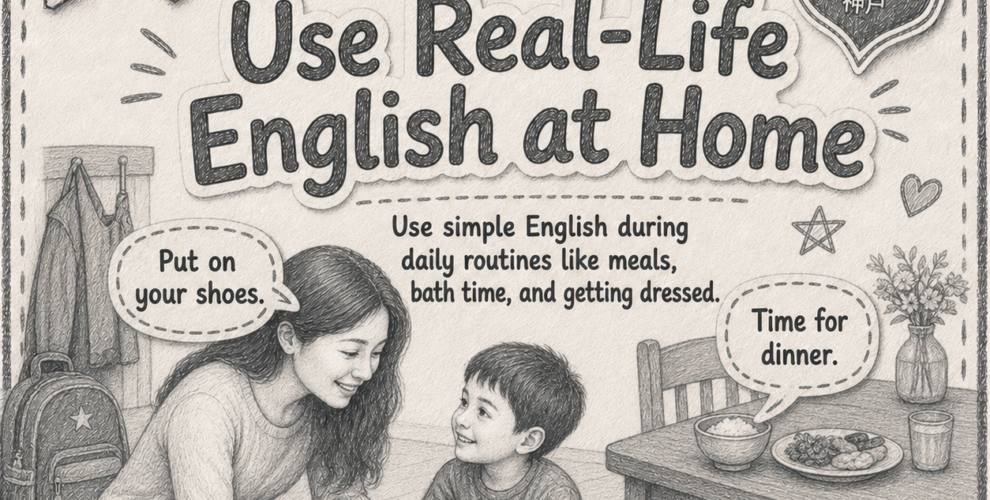
Learning English does not have to happen only during lessons or while doing homework. In fact, some of the best learning happens during everyday family routines. Simple conversations help children see English as a useful way to communicate, not just another school subject. At SMIS-English, …
Read more
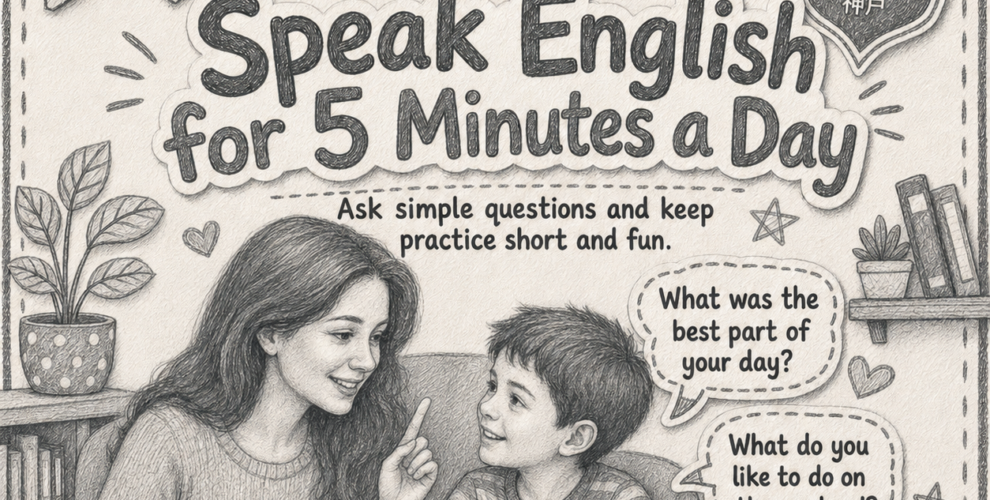
At SMIS-English, we do not expect parents to teach full English lessons at home. Instead, a short daily conversation can keep English familiar. Five minutes is easy to fit into a busy family routine. Most importantly, it helps children speak without feeling pressured. How to …
Read more
Speaking in English can feel intimidating, especially for shy English learners at any age. Nervousness and stress can affect anyone and may even hold back experienced presenters. Yet research shows that regular English speaking practice in low pressure environments helps children build speaking confidence more …
Read more