

How to Apply This Tip in Daily Life
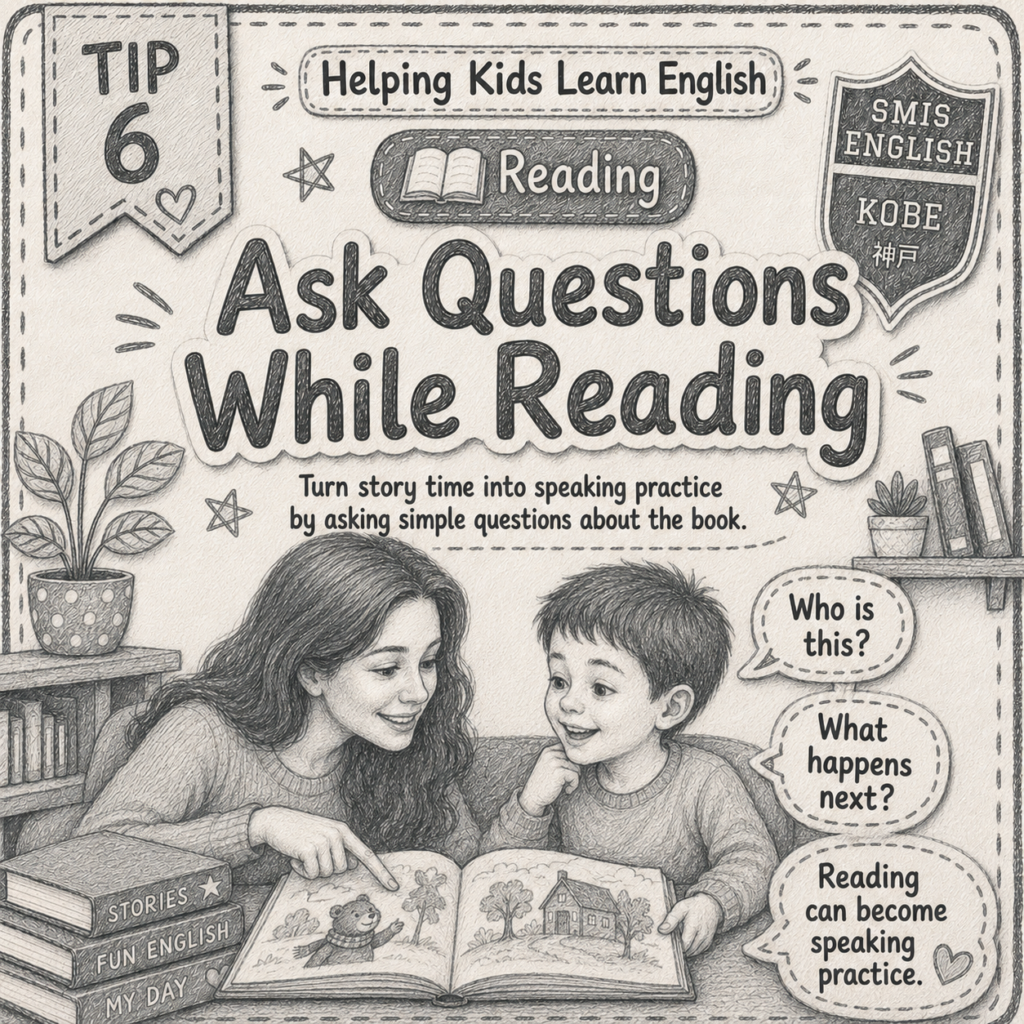
Turn story time into a conversation by asking a few simple questions as you read. Start with easy questions such as, “Who is this?” or “What do you see?” Then gradually introduce questions that encourage more thinking, such as, “Why is she sad?” or “What do you think will happen next?”
Give your child enough time to answer, and avoid asking too many questions at once. The goal is not to test them, but to help them think, speak, and connect ideas. If your child gives a short answer, gently help them expand it into a longer sentence.
Benefits of This Practice
Asking questions during reading helps children become active participants rather than passive listeners. It encourages them to notice details, make predictions, explain ideas, and connect what they are reading to what they already know.
Research on dialogic reading has shown that active discussion during shared reading can support vocabulary development, especially children’s ability to say and use new words themselves. Questions give children a reason to retrieve vocabulary, organise their thoughts, and express ideas in their own words.
This type of interaction can also support comprehension and critical thinking. When children explain why something happened, predict what might happen next, or describe how a character feels, they are practising important thinking skills alongside their English.
Most importantly, questions should keep reading enjoyable. A few well-chosen questions can create meaningful conversation, while too many can make story time feel like a test.
Research: Review of Dialogic Reading – ERIC
Try This Today
During tonight’s story, try asking three different kinds of questions:
- Notice: “What do you see?”
- Think: “Why do you think that happened?”
- Predict: “What do you think will happen next?”
Give your child time to answer, and build on whatever they say.