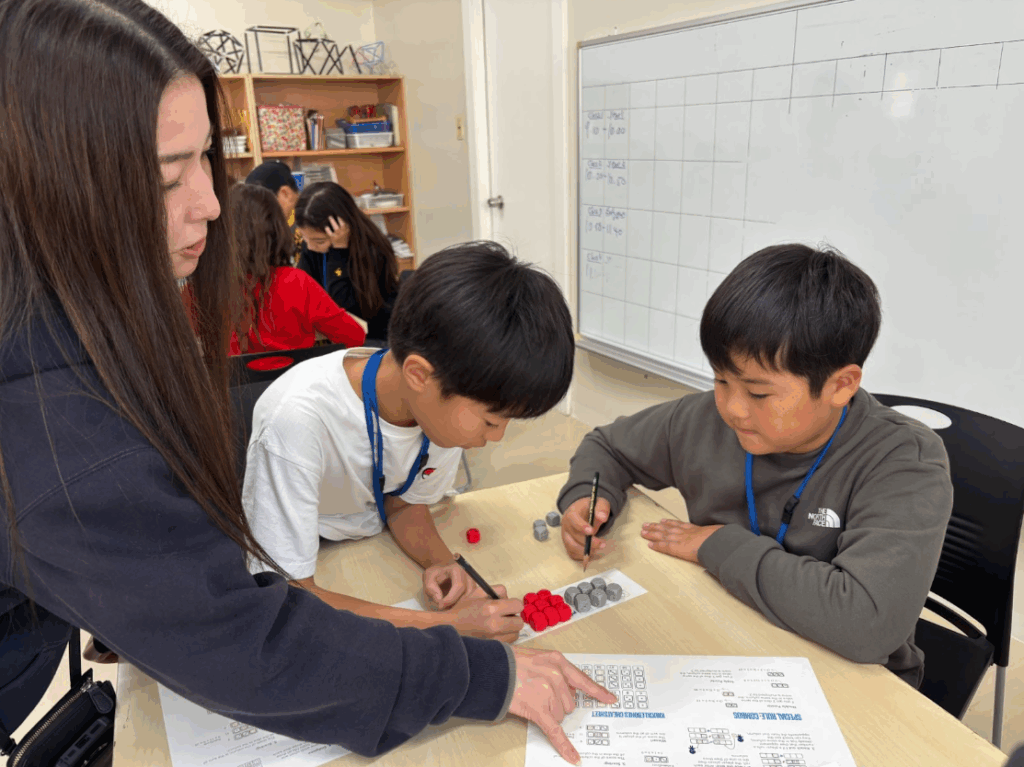



Learning from mistakes and learning from history go hand in hand. Just as Remembrance Day reminds us to reflect on the past and grow from it, children and adults alike can do the same in their language learning journey. Learning a new language naturally involves learning from mistakes. These moments are not setbacks, but important steps forward. Research shows that gentle correction, often called recasts, helps learners absorb accurate language without fear or embarrassment. When a learner says “He go” and an adult responds calmly with “Yes, he goes,” the correct form is modelled naturally. This approach stimulates learning from mistakes and supports understanding while encouraging confidence and continued participation.
In both the classroom and the home, recognizing mistakes as learning opportunities plays a vital role in long term development. When children feel safe to try, they become more willing to speak, experiment with new vocabulary, and express their ideas. Each small correction, much like each moment of remembrance, offers guidance. It helps learners reflect, adjust, and move forward with greater awareness and skill. Over time, this process builds resilience and curiosity, two qualities that are essential for lifelong learning.
Teachers and parents have a powerful influence in shaping this positive mindset. Calm, consistent feedback reassures learners that mistakes are expected and accepted. Praising effort rather than focusing solely on accuracy helps children understand that progress matters more than perfection. This approach creates an environment where learners feel supported, motivated, and ready to take risks with language.
Remembering to learn from yesterday’s mistakes, whether they are historical moments or everyday language errors, helps shape brighter and more mindful futures for our children. Through reflection, patience, and encouragement, we teach them not only how to use language more effectively, but also how to approach learning with confidence, empathy, and perseverance.
For more serious reading: Li, S. (2010). The Effectiveness of Corrective Feedback in Second Language Acquisition: A Meta-Analysis
Remembrance Day story for kids: We Remember: Canada’s Story (Veterans Affairs Canada PDF